Blog ·
Solar Ready: Preparing Your Home for Energy Independence
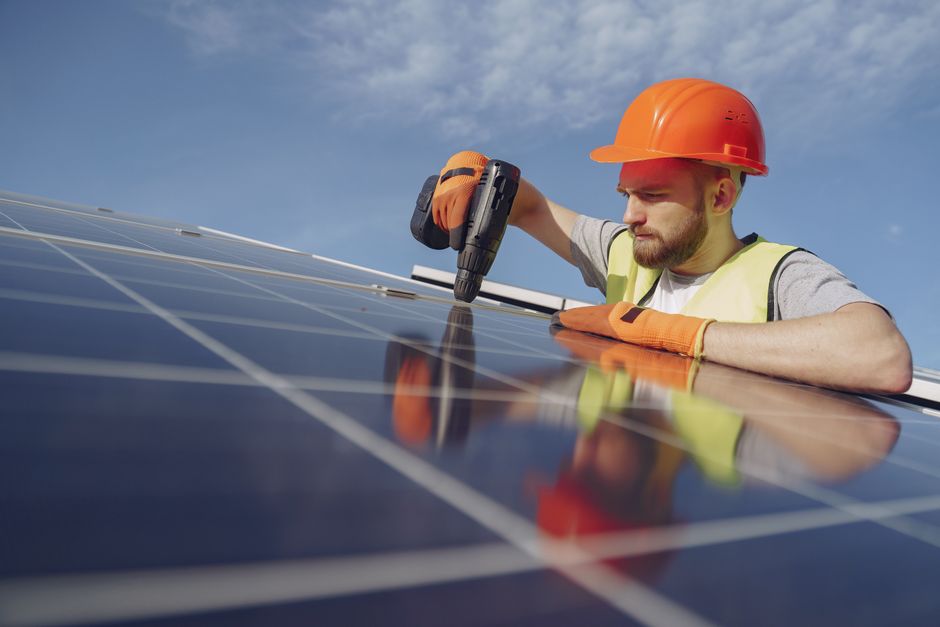
Interest in residential solar energy continues to grow, yet many homeowners don't realize that preparing their home now—even if they're not installing panels immediately—positions them for success when they're ready to transition to solar power.
Solar readiness begins with understanding your home's energy efficiency baseline. The most cost-effective solar installation reduces your overall energy needs first, then sizes the solar system appropriately. A home that wastes energy requires a larger, more expensive solar system than one that operates efficiently. Energy audits and efficiency upgrades should precede solar installation planning.
Your electrical panel may require upgrades to accommodate solar equipment and battery storage systems. Modern smart energy management systems help integrate solar generation with battery storage and home consumption patterns. These systems must communicate with your electrical infrastructure, so ensuring your panel is modern and adequately sized prevents costly retrofitting later.
Roof condition and orientation directly affect solar potential. A roof in poor condition needs repair before solar installation, since panels typically last 25+ years and shouldn't require removal for roof maintenance. South-facing roofs receive optimal sunlight in most regions, but even east or west-facing roofs work well with modern panel efficiency.
Battery storage systems allow you to store excess solar energy for use during evening hours or cloudy days. These systems provide backup power during grid outages and maximize your independence from grid-supplied electricity. Understanding battery capacity and how it integrates with your home's consumption patterns helps you plan appropriate system size.
Smart home energy systems become particularly valuable with solar installation. Monitoring systems show exactly when solar generation occurs relative to your home's consumption. Smart thermostats and appliance management can shift energy-intensive activities toward peak solar generation times, maximizing self-consumption.
Water heating represents significant energy consumption. Solar water heating systems or strategic timing of water heater use for solar generation maximizes your solar investment's return. Heat pump water heaters also complement solar systems well.
Your home's weather resilience matters for solar success. Proper insulation, sealing, and ventilation ensure that your home maximizes passive heating and cooling, reducing overall energy needs that solar must supply.
Even if solar installation is years away, beginning now with energy monitoring, efficiency improvements, and smart system upgrades puts you on a clear path toward energy independence. These steps reduce your grid dependency today while preparing your home's infrastructure for solar integration whenever you're ready to make that transition.